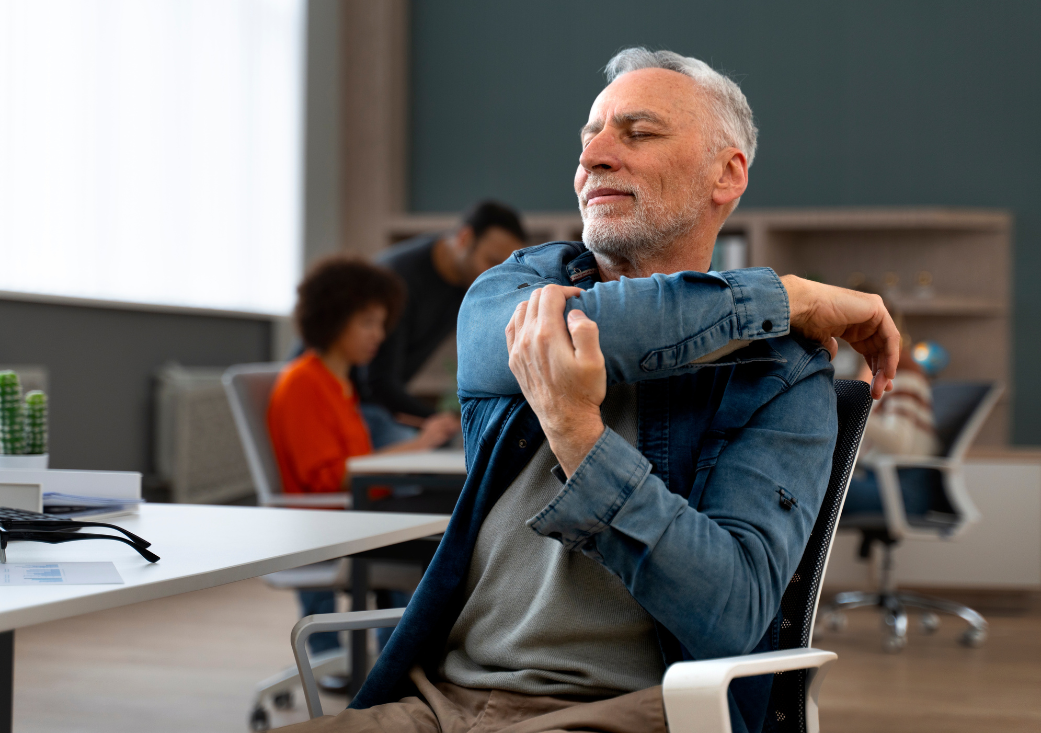
Recovering from an injury, surgery, or chronic condition often depends on more than simply resting and waiting for the body to heal. Advances in healthcare have transformed the way pain is treated, allowing people to recover more comfortably and efficiently. Modern pain management techniques focus on identifying the source of discomfort while helping patients regain mobility, improve function, and return to their daily routines with greater confidence.
A Personalized Approach to Pain Relief
Pain affects every individual differently. Two people with similar injuries may experience different levels of discomfort and recover at different speeds. Modern treatment begins with a thorough evaluation to understand the underlying cause of pain rather than simply masking symptoms.
Before making a personalized treatment plan, doctors look at things like the person’s medical history, lifestyle, level of activity, and how bad the condition is. This personalized method raises the chances of success and cuts down on treatments that aren’t needed.
Combining Multiple Treatment Methods
One of the biggest improvements in pain care is the use of integrated treatment strategies. Instead of relying on a single solution, specialists often combine several therapies that work together to promote healing.
These may include physical therapy, guided exercise programs, therapeutic injections, manual therapies, medication management, and lifestyle recommendations. By addressing pain from multiple angles, patients often experience better results and a smoother recovery process.
This comprehensive approach also helps improve flexibility, restore strength, and reduce the risk of recurring injuries.
Minimally Invasive Procedures
Many modern pain management techniques are minimally invasive, allowing patients to avoid lengthy hospital stays and extended recovery periods. Procedures performed with image guidance provide greater precision, helping target the exact source of pain while minimizing disruption to surrounding tissues.
Because these treatments require only small incisions or injections, many patients experience less discomfort after the procedure and can return to normal activities sooner than with traditional surgical options.
These innovations have become an important part of effective Denver pain management strategies for individuals seeking alternatives to major surgery.
Supporting Active Recovery
Remaining active during recovery is often essential for achieving long-term success. Modern pain management encourages safe movement whenever appropriate rather than prolonged bed rest.
Structured rehabilitation programs help improve muscle strength, joint stability, balance, and overall mobility. Gentle exercises performed under professional supervision can prevent stiffness while improving circulation and supporting the body’s natural healing process.
Patients who actively participate in their recovery plans often regain independence more quickly and experience greater improvements in daily function.
Reducing Dependence on Medication
Another significant advancement is the growing emphasis on reducing unnecessary reliance on pain medications. While medication remains valuable in many situations, healthcare providers increasingly use it as one component of a broader treatment strategy.
Physical rehabilitation, targeted injections, nerve therapies, and patient Education all contribute to pain relief without requiring long-term medication use. This balanced approach helps minimize potential side effects while encouraging sustainable recovery.
Patients benefit from treatments designed to manage pain responsibly while improving their overall quality of life.
Education Plays an Important Role
Understanding why pain occurs helps patients make informed decisions throughout recovery. Modern pain management includes educating individuals about posture, movement patterns, workplace ergonomics, exercise habits, and injury prevention.
When patients understand how everyday activities affect their bodies, they can make adjustments that reduce stress on muscles, joints, and the spine. These simple changes often prevent recurring pain and support lasting improvements after treatment has ended.
Education also encourages greater confidence, allowing patients to participate fully in their rehabilitation programs.
Looking Beyond Immediate Relief
It takes more than getting rid of pain for a few days or weeks to fully heal. The goal of modern pain management is to help patients regain function, improve their mobility, and stay active for a long time.
Long-term treatment plans might include ongoing exercise suggestions, regular checkups, strength-building programs, and healthy habits that help the person stay healthy. Instead of just treating the symptoms, getting to the root cause of the pain is better for long-term healing.
Conclusion
Advances in pain management have made recovery more effective, personalized, and patient-focused than ever before. By combining accurate diagnosis, minimally invasive procedures, rehabilitation, education, and individualized care, modern techniques help people heal faster while improving their overall quality of life. Today’s all-around approaches give patients the tools they need to move forward with more comfort and confidence, whether they are recovering from an injury, dealing with long-term pain, or looking for non-surgical solutions.