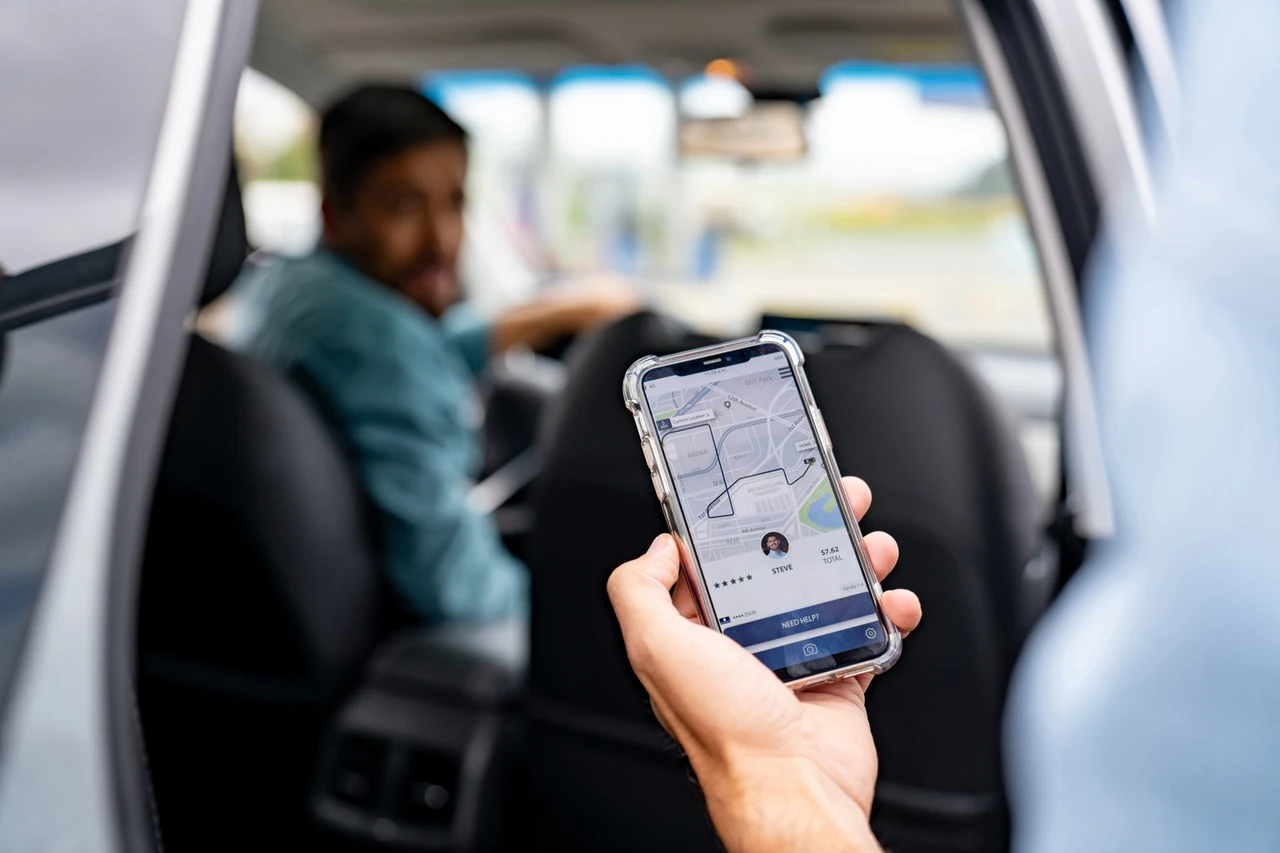
Waiting used to be built into everyday life. People waited for television programs to air, stores to open, photographs to be developed, taxis to arrive, and businesses to respond during working hours. Today, many of those delays have been reduced or removed. Entertainment streams instantly, meals arrive through apps, products can be ordered at any hour, and information can be retrieved within seconds.
On demand access has made everyday life extraordinarily convenient, but it has also changed expectations. Once immediate access becomes normal in one part of life, people begin expecting similar speed elsewhere. This influences patience, purchasing habits, entertainment, work, and the way services are designed.
Instant Access Changes The Meaning Of Convenience
Convenience once meant that something required less effort. Increasingly, it also means that something requires less time. A service that saves several steps but still requires days of waiting may feel inconvenient compared with one that delivers a result immediately.
Digital platforms have strengthened this expectation. Someone searching for www.pmmvy20.com, for example, may expect information to appear immediately rather than having to locate a physical office, make a telephone call, or wait for printed material.
This change makes speed part of how people judge experiences. Businesses and digital services are increasingly compared not only with direct competitors but also with the fastest services people use anywhere else.
Information Is Expected To Be Available Immediately
People once had to visit libraries, consult printed directories, contact offices, or ask knowledgeable individuals to find specific information. Search technology has dramatically reduced that effort.
A person looking for the Bhulekh UK Official Website may begin with a search because online discovery has become the natural first step for many informational tasks. The expectation is straightforward: if information exists, it should probably be discoverable quickly.
This abundance changes the problem. Finding some information is rarely difficult. Determining which information is current, accurate, relevant, and authoritative can require considerably more judgment.
On demand information therefore saves retrieval time while increasing the importance of verification.
Administrative Expectations Begin To Change
Once shopping, banking, communication, and entertainment become available digitally, people naturally wonder why administrative procedures cannot offer similar accessibility.
A search such as mahabocw iwbms update online registration reflects the broader expectation that tasks involving forms, registrations, records, and updates should be manageable through digital processes.
When a procedure still requires several physical visits or long delays, it can feel unusually burdensome because people compare it with streamlined experiences elsewhere. This creates pressure on organizations to redesign services around user convenience.
However, administrative processes may involve identity verification, eligibility checks, documentation, security, or legal requirements that cannot always be accelerated without consequences. On demand culture can therefore create tension between speed and procedural reliability.
Energy Services Are Joining The Digital Expectation
The on demand mindset is no longer limited to entertainment and retail. People increasingly expect quick digital access to information about utilities, public programs, household services, and energy initiatives.
Someone searching for the Pm Surya Ghar Muft Portal may expect clear information without navigating multiple disconnected sources. The underlying expectation has been shaped by years of using digital services where information appears almost instantly.
This has broader implications for service design. Clear navigation, status information, accessible documentation, and timely updates are becoming part of what people consider normal rather than exceptional.
Organizations that provide complex services may therefore need to improve communication even when the underlying process itself cannot happen instantly.
Entertainment Loses Its Fixed Schedule
Entertainment provides one of the clearest examples of on demand transformation. Television once organized audiences around schedules. Missing an episode could mean waiting for a repeat. Music depended on physical collections, radio programming, or whatever recordings happened to be available nearby.
Streaming changed this relationship. Entire seasons, enormous music libraries, and countless videos can now be accessed whenever someone chooses.
Even highly specific entertainment related searches such as Punjab state dear 50 beast Monday weekly lottery exist within a digital environment where people expect current information to be searchable at the moment they want it.
The result is greater control, but something has also changed socially. When audiences consumed entertainment according to shared schedules, large groups often experienced the same content at roughly the same time. On demand access fragments that collective rhythm.
Waiting Starts To Feel More Frustrating
As unnecessary delays disappear, the remaining ones become more noticeable. A webpage taking several seconds longer than expected, a delayed food order, or an unanswered message can create frustration that would have seemed disproportionate a generation ago.
This does not necessarily mean people have simply become impatient. Their expectations have adapted to the environment.
If most routine digital interactions happen almost immediately, waiting becomes an exception. Exceptions naturally attract attention.
The effect can spread into situations where immediate results are unrealistic. Learning a skill, building relationships, recovering from mistakes, completing complex projects, and developing expertise still require time. On demand culture cannot eliminate every slow process.
Choice Expands Faster Than Attention
On demand services often provide enormous catalogs. Consumers can choose among thousands of movies, products, songs, meals, articles, and services without leaving home.
More choice sounds inherently beneficial, but attention remains limited. People may spend considerable time browsing without selecting anything.
Platforms respond by introducing recommendations, rankings, personalized feeds, filters, and previous activity histories. These tools reduce the effort of navigating abundance, but they also influence what people discover.
As availability expands, curation becomes almost as important as access.
Ownership Can Become Less Important
On demand access also changes the relationship between access and ownership. People once purchased physical collections partly because ownership guaranteed availability. Streaming, subscriptions, rentals, and cloud services offer access without requiring permanent possession.
This can reduce storage requirements and upfront costs. However, access may depend on subscriptions, licensing agreements, internet connectivity, or platform availability.
The convenience of having something instantly available does not necessarily mean it will remain available forever.
Businesses Must Compete With Expectations From Other Industries
A customer ordering furniture may compare the delivery experience with online retail. Someone contacting a professional service may expect communication as quickly as messaging software. A person accessing an administrative platform may expect navigation as intuitive as a commercial app.
Industries increasingly inherit expectations created elsewhere.
This means an organization can provide a good service according to traditional standards and still feel slow or complicated compared with the broader digital environment.
On Demand Living Makes Time More Valuable
When everything becomes available on demand, convenience increases, but so does sensitivity to delay. People gain greater control over when they shop, watch, communicate, research, and complete routine tasks.
At the same time, unlimited availability introduces new challenges. Too many choices consume attention, instant responses create stronger expectations, and experiences that genuinely require patience can feel unusually slow.
The future of on demand living will therefore involve more than making everything faster. The greater challenge will be deciding which delays should disappear, which choices should be simplified, and which parts of life still benefit from taking time.

