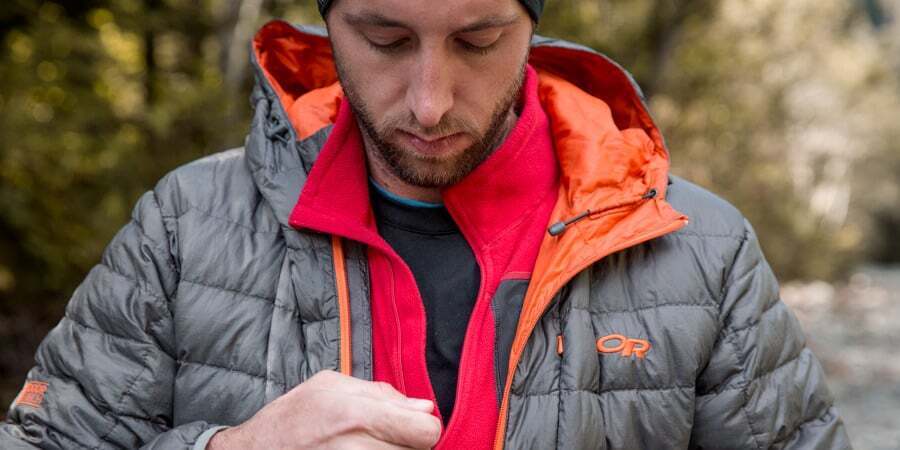
Changing weather can make outfit planning difficult. A cool morning may become warm by afternoon, while sunny conditions can quickly shift to wind or rain.
Effective layering allows clothing to be added or removed without making the outfit feel bulky or disconnected. The goal is to build a flexible system rather than wearing several random garments at once.
Begin With a Breathable Base Layer
The first layer sits closest to the skin and should remain comfortable throughout the day.
Choose a fitted T-shirt, tank top, lightweight long-sleeve shirt, or breathable thermal layer depending on the temperature.
Cotton, merino wool, modal, and moisture-managing blends can all work. Avoid thick base layers when you expect temperatures to rise.
Comfortable temperature management can reduce physical discomfort and daily stress during unpredictable weather.
Add a Removable Middle Layer
The middle layer provides warmth and should be easy to remove.
Cardigans, lightweight sweaters, overshirts, denim jackets, and thin fleece layers are useful options.
Make sure the middle layer fits comfortably over the base without pulling. It should also fit under the outer layer without creating excessive bulk.
Finish With a Protective Outer Layer
The outer layer protects against wind, rain, or colder temperatures.
Trench coats, rain jackets, wool coats, parkas, and lightweight shells serve different conditions.
Choose an outer layer with enough room for the clothing underneath. Test it over a sweater before purchasing.
Useful seasonal layering guidance can help you choose outerwear suited to different climates.
Use Thin Layers Instead of One Heavy Piece
Several lightweight layers provide more flexibility than one extremely heavy sweater.
A fitted base, thin cardigan, and light jacket can be adjusted throughout the day.
Thin layers also reduce bulk and make indoor temperature changes easier to manage.
Keep the Color Palette Connected
Layered outfits contain more visible pieces, so color coordination becomes important.
Use two or three main colors. A cream top, brown cardigan, and olive jacket can create a warm palette. A white shirt, gray sweater, and navy coat create a cooler combination.
Repeating a color in shoes or accessories can connect the layers.
Vary Garment Lengths Carefully
Different lengths create depth, but the relationship should look intentional.
A long coat can work over a shorter sweater and straight trousers. A cropped jacket can balance a longer shirt or dress.
Avoid several layers ending at nearly the same awkward point. Check the outfit from the side and back.
Layer Shirts Under Sweaters
A collared shirt under a crew-neck or V-neck sweater creates a polished outfit.
Allow the collar, cuffs, or lower hem to remain visible. Make sure the shirt fabric is smooth enough to avoid bunching.
This combination works for offices, travel, and cool transitional weather.
Wear Turtlenecks Under Dresses
A fitted turtleneck or long-sleeve top can make a sleeveless dress suitable for cooler temperatures.
Choose a thin fabric to maintain comfort. The dress should have enough room through the armholes and bodice.
Add tights and boots when more warmth is needed.
Current weather-ready clothing updates can provide ideas for extending seasonal garments.
Use Cardigans as Flexible Layers
Cardigans are useful because they can remain open, buttoned, tied around the shoulders, or removed completely.
Short cardigans work well with high-waisted trousers and dresses. Long cardigans create a relaxed vertical line.
Avoid cardigans that stretch or lose shape after a few wears.
Add a Scarf for Adjustable Warmth
A scarf can protect the neck during cold mornings and be removed easily later.
Lightweight cotton or silk-like scarves suit mild weather. Wool and knitted scarves provide stronger insulation.
Choose a scarf that fits inside your bag when not needed.
Layer Jackets Over Knitwear
A denim, leather, utility, or structured jacket can fit over thin knitwear.
Check shoulder and arm movement. The combination should not feel tight when you reach forward.
Avoid placing a fitted jacket over a bulky sweater unless the jacket is designed with enough room.
Use Vests Without Adding Sleeve Bulk
A quilted, knit, or tailored vest provides warmth through the body while keeping the arms free.
Vests work well over shirts, long-sleeve tops, and lightweight dresses.
They are especially useful during mild weather when a full coat feels excessive.
Plan for Rain
A waterproof or water-resistant outer layer is more useful than relying on fabric that absorbs moisture.
Choose a jacket with a hood, secure pockets, and enough coverage. Keep a compact umbrella available when needed.
Wear shoes with suitable soles and avoid delicate materials during wet conditions.
Avoid Overheating Indoors
Heavy outfits can become uncomfortable inside offices, shops, or public transportation.
Choose layers that can be removed independently. Avoid wearing a shirt that you would feel uncomfortable showing after taking off the sweater.
Carry a bag large enough to hold one removed layer when necessary.
Use Tights and Socks Strategically
Tights can extend the use of skirts and dresses into cooler weather.
Choose thickness based on the temperature. Thermal tights provide warmth, while sheer options offer minimal insulation.
Socks can add warmth inside boots, loafers, and sneakers. Make sure shoes still fit comfortably with thicker socks.
Keep Emergency Layers Nearby
Store a neutral cardigan, scarf, or lightweight jacket at work or in the car.
Choose something that coordinates with most of your wardrobe.
An emergency layer can solve sudden temperature changes without requiring daily overpacking.
Build Layering Formulas
Reliable combinations include:
- T-shirt, cardigan, trench coat
- Shirt, thin sweater, wool coat
- Turtleneck, sleeveless dress, jacket
- Tank top, overshirt, raincoat
- Long-sleeve top, vest, lightweight shell
Save photographs of formulas that work.
Practical layered outfit combinations can provide further ideas for work, travel, and casual dressing.
Check Movement and Bulk
Raise your arms, sit down, and walk before leaving home. Layers should move together without pulling.
Pay attention to the shoulders, underarms, and elbows. These areas become uncomfortable quickly when too many thick fabrics overlap.
Remove any layer that does not add warmth, protection, or visual value.
Successful layering is based on flexibility. Breathable bases, removable middle layers, and practical outerwear allow you to respond to changing weather while keeping the outfit comfortable and coordinated.


