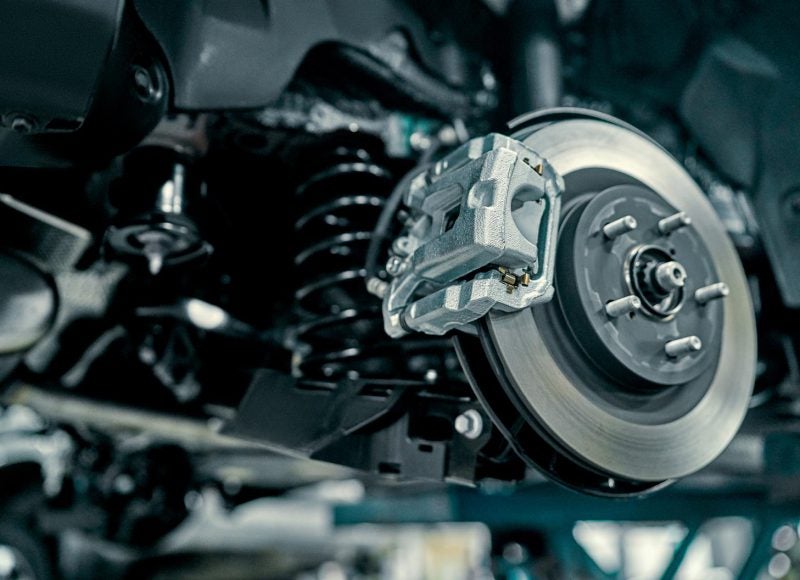
Brakes are among the most important safety systems in any vehicle. Changes in sound, pedal feel, stopping distance, or vehicle movement deserve attention because small concerns may become larger when ignored.
American car owners often visit repair shops after hearing squealing or noticing vibration. However, brake problems can involve pads, rotors, drums, fluid, calipers, hoses, sensors, electronic systems, or other components.
Unexpected repairs may affect savings reserved for housing, utilities, and home insurance costs. Asking clear questions helps owners understand recommendations and plan expenses without delaying necessary safety work.
Every brake concern should receive a proper inspection rather than a repair based only on assumptions.
What Is Causing the Brake Noise?
Brake noise can have several causes.
High-pitched squealing may come from wear indicators, material characteristics, dust, moisture, or other conditions.
Grinding may suggest more serious wear.
Clicking, scraping, or repeated sounds may involve loose, damaged, or contacting components.
Ask the technician to explain the source.
Do not assume every sound requires the same repair.
Request inspection findings.
Ask whether the issue affects immediate safety.
Understand what may happen if service is delayed.
How Much Brake Pad Material Remains?
Ask for measured pad thickness.
Avoid accepting only a general statement that the brakes are low.
Measurements help owners compare current condition with future inspections.
Pad wear may differ between wheels.
Uneven wear can indicate another problem.
Ask whether inner and outer pads were inspected.
Request information about the manufacturer’s replacement guidance.
Do not wait for complete material loss.
Driving with severely worn pads may damage other components.
Owners managing maintenance alongside property expenses may find useful ideas through first-home budgeting guidance.
Do the Rotors Need Replacement?
Brake rotors may develop wear, scoring, heat damage, variation, corrosion, or thickness concerns.
Ask why replacement is recommended.
Request measurements.
Understand minimum thickness requirements.
Some rotors may be resurfaced when enough material remains and the condition allows.
Others require replacement.
Cost, manufacturer guidance, and long-term performance influence the decision.
Do not assume every pad replacement automatically requires new rotors.
Do not assume old rotors can always remain.
The inspection should guide the recommendation.
Can the Rotors Be Resurfaced?
Resurfacing removes a controlled amount of material to improve the braking surface.
Ask whether the rotor will remain above required minimum thickness.
Understand labor cost.
New rotors may sometimes provide better value than resurfacing.
Vehicle design also matters.
Some manufacturers provide specific guidance.
Ask how resurfacing may affect future service life.
Review whether heat damage, cracking, deep corrosion, or other conditions prevent the process.
Choose the option that supports safe, predictable braking.
Are the Calipers Working Correctly?
Calipers apply pressure to the brake pads.
A sticking or damaged caliper can create uneven wear, pulling, overheating, odor, or reduced performance.
Ask whether movement was checked.
Review the condition of slides, hardware, seals, and related components.
Understand whether service, rebuilding, or replacement is recommended.
Ask whether both sides require work.
Do not replace additional parts without a clear explanation.
A failed caliper may damage new pads or rotors when left uncorrected.
Vehicle owners organizing garage tools and service records may find practical ideas through home maintenance resources.
Is the Brake Fluid in Good Condition?
Brake fluid transfers pressure through the hydraulic system.
Ask whether the fluid level and condition were checked.
Low fluid may indicate wear or a leak.
Do not simply add fluid without understanding the reason.
Brake fluid can absorb moisture over time.
Service intervals differ by manufacturer.
Ask whether testing supports replacement.
Understand the recommended specification.
Do not mix unsuitable fluids.
A brake-fluid service should use proper procedures.
Is There a Brake Fluid Leak?
Leaks may occur at hoses, lines, calipers, wheel cylinders, master cylinders, or other hydraulic components.
Ask where the leak is located.
Request an explanation of severity.
A soft pedal or changing fluid level may require immediate attention.
Do not continue normal driving when braking becomes unreliable.
Ask whether surrounding parts received contamination.
Brake fluid can damage paint.
Repairs should restore system integrity before the vehicle returns to service.
Why Does the Brake Pedal Feel Soft?
A soft or spongy pedal may involve air, fluid leaks, hydraulic concerns, adjustment problems, or other conditions.
Ask how the cause was confirmed.
Do not accept repeated bleeding as a complete repair when a leak remains.
Understand whether the pedal changes when held under pressure.
Report when the symptom occurs.
Mention recent repairs.
A brake pedal that sinks or behaves unpredictably deserves prompt professional attention.
Why Does the Vehicle Shake While Braking?
Vibration may be felt through the steering wheel, pedal, seat, or body.
Possible causes include rotor variation, uneven deposits, wheel concerns, suspension problems, or other conditions.
Ask where the technician believes the vibration originates.
Request measurements when relevant.
Do not assume every shake requires front rotors.
Rear components can also contribute.
Road-speed vibration that occurs without braking may have another cause.
Describe the exact conditions.
Why Does the Vehicle Pull to One Side?
Pulling during braking may involve calipers, hoses, pads, tires, alignment, suspension, road conditions, or other factors.
Ask whether tire pressure and condition were checked.
Understand whether the pull occurs only while braking.
Describe recent impacts or repairs.
A strong pull can affect control.
Do not delay inspection.
Request a complete explanation before replacing parts.
More than one concern may exist.
Should Pads Be Replaced on Both Sides?
Brake pads are commonly serviced in axle sets.
Ask why the shop recommends replacing both sides.
Balanced friction supports predictable braking.
Replacing only one wheel may create uneven performance.
Understand whether additional components require matching service.
Do not assume front and rear brakes always need replacement together.
Their wear rates can differ.
The inspection should identify which axle needs work.
What Type of Brake Pads Are Recommended?
Brake pads use different friction materials.
Options may affect noise, dust, cost, temperature performance, and service life.
Ask what type the vehicle manufacturer recommends.
Understand differences between available products.
The most expensive pad is not automatically necessary.
The cheapest option may not provide desired performance.
Consider daily commuting, towing, mountain driving, and vehicle weight.
Ask about warranty coverage.
Confirm that the part fits the specific vehicle.
Is the Parking Brake Working Correctly?
Parking brakes may use cables, electronic motors, drum components, rear calipers, or other designs.
Ask whether the system was inspected.
Report difficulty engaging or releasing it.
Do not ignore warning messages.
A parking brake should hold the vehicle according to manufacturer guidance.
Electronic systems may require special service procedures.
Avoid forcing controls.
Understand whether adjustment, cleaning, lubrication, or replacement is needed.
Are Brake Warning Lights Related?
Dashboard lights may indicate hydraulic concerns, anti-lock braking faults, electronic parking-brake problems, worn pads, or other conditions.
Ask which system created the warning.
A diagnostic code alone may not identify the failed part.
Testing may remain necessary.
Understand whether normal braking remains available.
Ask which safety features may be limited.
Do not clear warnings without addressing the cause.
Keep diagnostic records.
What Repairs Are Urgent?
Ask the shop to separate immediate safety concerns from future maintenance.
Understand which components require service now.
Ask what may happen if work is delayed.
Request a Written estimate.
Avoid pressure without explanation.
However, do not postpone serious concerns involving reduced braking, leaks, grinding, overheating, or severely worn parts.
Safety should guide the decision.
Owners can follow home and consumer lifestyle updates while managing changing household repair costs.
What Is Included in the Estimate?
Review parts, labor, supplies, taxes, diagnostic fees, and additional charges.
Ask whether hardware is included.
Understand whether brake fluid service is separate.
Request information about warranties.
Ask whether the price may change after disassembly.
Require approval before additional work.
Keep written records.
Compare estimates using the same repair scope.
A lower price may exclude important components.
What Warranty Covers the Repair?
Ask how long parts and labor remain covered.
Review mileage limits.
Understand exclusions.
Ask where warranty service can be completed.
Keep invoices.
Do not assume every part uses the same warranty.
Some products may have longer coverage.
Ask how warranty claims are handled.
Written information provides clearer protection than verbal promises.
How Can Future Brake Wear Be Reduced?
Smooth driving may reduce unnecessary wear.
Leave enough following distance.
Avoid repeated hard braking when conditions allow gradual slowing.
Do not overload the vehicle.
Follow towing limits.
Maintain tires and suspension.
Have brakes inspected during regular service.
Address sticking components early.
Do not ignore changes in sound or pedal feel.
American car owners can make stronger repair decisions by asking for measurements, inspection findings, written estimates, and clear explanations. Brake service should focus on safe operation rather than replacing parts without understanding the cause.