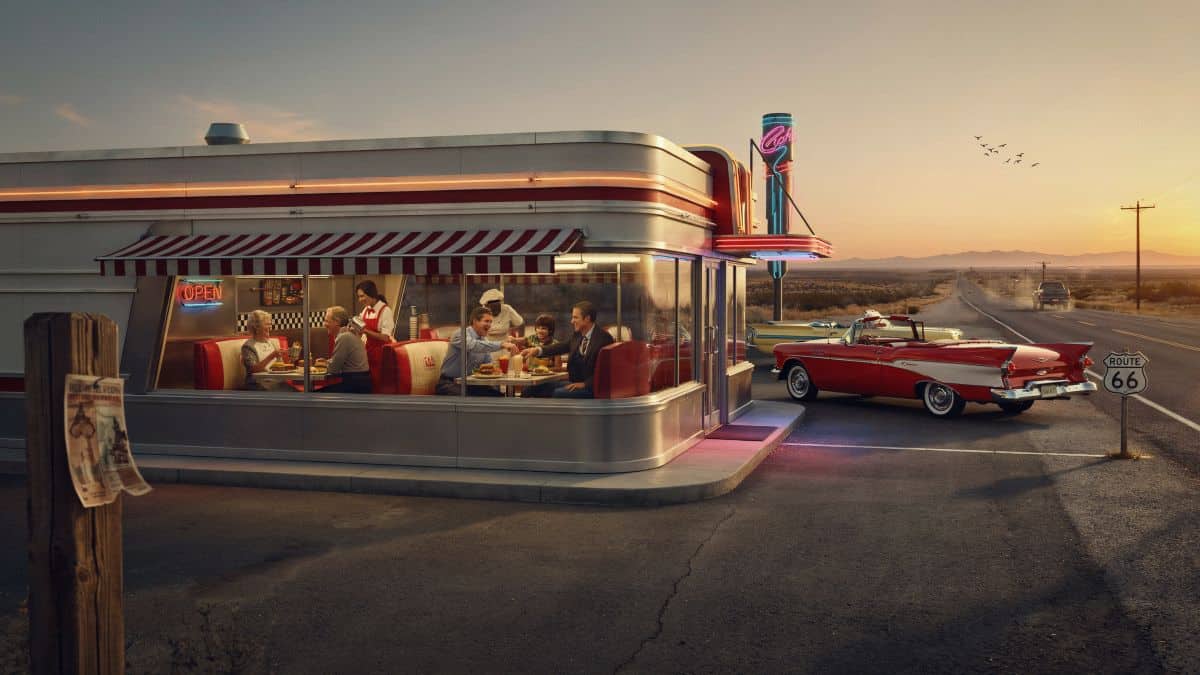
American diners have long been connected with highways, small towns, city neighborhoods, shift workers, travelers, families, and local routines. Their menus, buildings, signs, counters, and conversations reflect changes in transportation, food culture, business, and community life.
Many roadside diners developed around the needs of people traveling by automobile. Convenient locations, recognizable signs, extended hours, affordable meals, and quick service made them useful stops.
Readers interested in fresh American food and travel stories can explore diners as community spaces rather than viewing them only as places to eat.
A diner may serve visitors from several states while also welcoming the same local customers every morning.
This combination of travelers and regulars creates a distinctive atmosphere.
Classic diner design remains popular. Counter seating, booths, visible kitchens, bright signs, metal details, large windows, and compact layouts continue shaping public expectations.
Not every diner follows the same design. Some operate in historic structures, converted buildings, roadside restaurants, or modern spaces inspired by earlier styles.
Preservation has become an important trend. Owners may restore original signs, counters, stools, tile, lighting, and exterior details.
Historic design can attract visitors, but buildings must also meet current safety, accessibility, and operating needs.
Successful restoration balances appearance with practical use.
People exploring creative food and lifestyle inspiration may notice renewed interest in retro interiors and familiar comfort-food experiences.
Nostalgia can create attention, but long-term success depends on food quality, service, cleanliness, and financial stability.
Menus are changing while preserving traditional favorites.
Eggs, pancakes, sandwiches, burgers, fries, soups, pies, coffee, and daily specials remain common.
Many diners now add vegetarian choices, lighter meals, regional ingredients, specialty beverages, and updated versions of familiar dishes.
Expanding a menu can attract different customers, but too many options may increase kitchen complexity.
Some owners are reducing menu size to improve consistency and control costs.
A focused menu can help kitchens manage ingredients and preparation more efficiently.
Breakfast throughout the day remains a strong diner tradition.
Customers often appreciate familiar foods outside standard meal hours.
All-day breakfast can also create operational challenges when kitchens manage several cooking styles at once.
Regional identity is becoming more visible on diner menus.
A roadside restaurant may feature local produce, regional breads, seafood, barbecue styles, sauces, or community recipes.
These details help travelers understand where they are rather than experiencing the same menu everywhere.
Readers following popular food and roadside travel topics may see diners receiving attention through travel videos, local guides, and online reviews.
Increased visibility can bring new customers, but sudden popularity may challenge small kitchens and limited seating.
Travelers should remain patient during busy periods.
Many diners operate with small teams and prepare food to order.
Staffing has become a major issue across the restaurant industry.
Independent diners may compete with larger businesses for cooks, servers, dishwashers, managers, and other workers.
Stable schedules, respectful workplaces, fair compensation, training, and clear communication can support employee retention.
Longtime staff often become part of a diner’s identity.
Regular customers may know servers by name and expect familiar service.
These relationships create community value that is difficult to reproduce through design alone.
Technology is changing diner operations.
Digital payment, online menus, ordering systems, delivery services, and electronic scheduling can improve convenience.
However, some diners prefer maintaining a traditional in-person experience.
The best approach depends on customer needs, staffing, location, and business goals.
Online reviews now influence roadside decisions.
Travelers may choose a diner before arriving in town based on photographs, ratings, operating hours, and recent comments.
Owners benefit from keeping public information accurate.
Outdated hours can create frustration for travelers who planned a stop.
People interested in sharing memorable food and travel experiences may write about diners they visit, but reviews should remain fair and specific.
One delayed meal during an unusually busy period may not represent the entire business.
Useful reviews describe food, service, atmosphere, accessibility, value, and timing without exaggeration.
Photography has become part of diner tourism.
Neon signs, pie displays, counter seating, classic exteriors, and colorful meals often attract attention.
Visitors should ask before photographing staff or other customers.
Avoid blocking aisles or disrupting service for pictures.
Local history can increase the meaning of a diner visit.
Ask when the business opened, whether ownership changed, and how the menu developed.
Old photographs, menus, signs, and newspaper articles may be displayed inside.
Some diners remain in the same family for generations.
Others are revived by new owners who preserve familiar dishes while introducing changes.
Ownership transitions can create strong emotions among regular customers.
Clear communication helps communities understand what will remain and what will change.
Road construction and highway development have influenced diner survival.
A route change may reduce passing traffic, while a new exit can create opportunities elsewhere.
Some former roadside businesses became local destinations after major traffic moved away.
Tourism can support these diners when visitors intentionally seek historic routes.
Scenic highways and heritage roads often include long-running restaurants.
Travelers should confirm hours because smaller establishments may close earlier or operate on limited days.
Fuel prices and economic conditions can affect roadside traffic.
Local customers remain important during periods when tourism slows.
Community involvement helps diners build lasting relationships.
Some host fundraisers, sponsor youth teams, support local events, display student artwork, or provide meeting space.
These activities strengthen connections beyond food sales.
Diners also serve different work schedules.
Early openings may attract construction workers, drivers, farmers, health workers, emergency staff, and commuters.
Late hours may support travelers and evening employees.
Operating extended hours requires enough customer demand and staffing.
Some diners have reduced overnight service because costs no longer support it.
Changing hours do not necessarily mean a business is failing. Owners may be adapting to labor availability and customer patterns.
Coffee remains central to diner culture.
Refills, counter conversations, and familiar routines contribute to the experience.
Specialty coffee trends have influenced some menus, but many customers still prefer simple, consistent service.
Pie displays remain another recognizable feature.
Seasonal fruit, cream pies, regional recipes, and house specialties can become destination items.
Baking on-site may create quality and identity, but it also requires equipment, labor, and planning.
Some diners partner with local bakeries instead.
Value is a growing concern for customers and owners.
Ingredient, labor, utility, insurance, and maintenance costs affect menu pricing.
Customers may notice higher prices, but small businesses must cover real operating expenses.
Clear portions, consistent quality, and friendly service help customers understand value.
Travelers should consider the complete experience rather than comparing every price with national chains.
Accessibility improvements are also important.
Entrances, restrooms, seating, parking, and service practices should support a wider range of customers.
Historic buildings may present challenges, but thoughtful changes can improve access.
Roadside diners continue evolving because American travel and eating habits continue changing.
Some preserve traditional menus and designs. Others introduce new food, technology, and business models.
The strongest establishments understand what customers value while making practical changes needed for survival.
A diner is often remembered through small details: a familiar server, a regional breakfast, a handwritten special, an old sign, or a conversation at the counter.
Those experiences explain why roadside diners remain part of American cultural stories.
By supporting local businesses respectfully and paying attention to the communities around them, travelers can discover how diners continue connecting food, history, work, and everyday life across American roadside towns.


