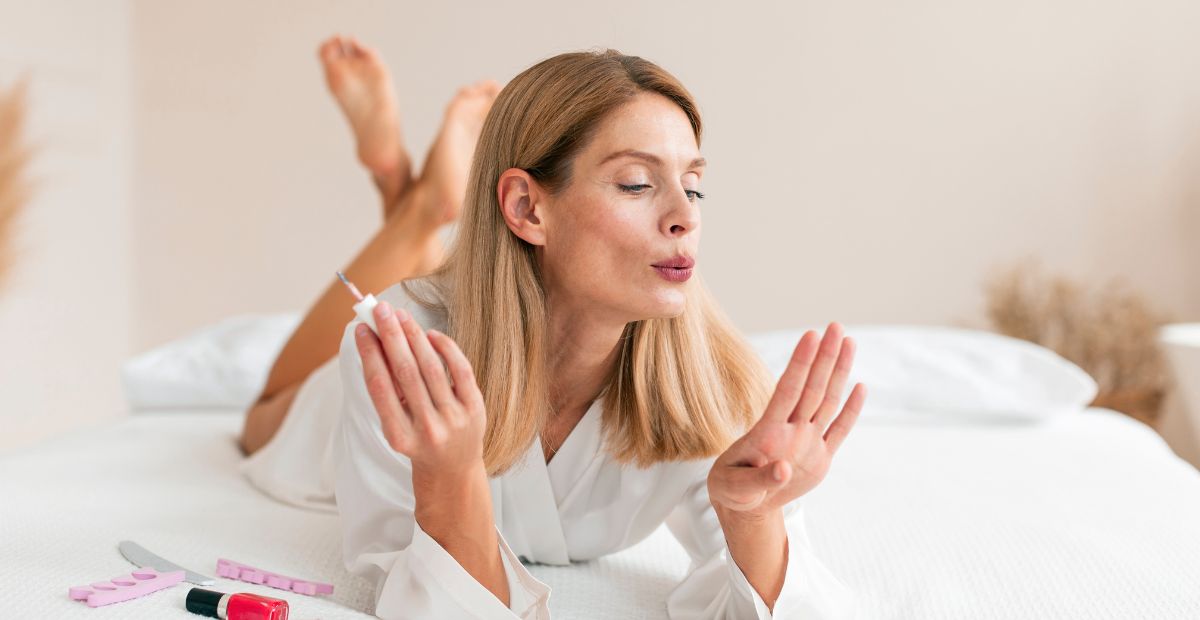
Home nail care can become a simple part of personal grooming without requiring professional equipment or a large product collection. Many Americans maintain their nails between salon visits, prepare them for work or events, or prefer completing the entire routine at home.
Healthy-looking nails depend on regular maintenance, clean tools, gentle methods, and realistic expectations. Complicated designs can be enjoyable, but basic care often creates the strongest foundation.
People interested in practical nail and beauty care ideas can begin with a small routine that fits comfortably into the week.
Keep Nails Clean And Dry
Regular hand washing supports hygiene, but repeated water exposure can affect nails and surrounding skin.
Dry hands carefully after washing.
Pay attention around the nail edges.
People who complete frequent cleaning, dishwashing, or wet work may consider suitable protective gloves.
Moisture trapped under artificial nails or damaged areas may create problems.
Avoid using sharp objects aggressively under the nail.
Gentle cleaning is usually safer.
A small nail brush may help when used carefully and cleaned regularly.
Trim Nails With Clean Tools
Use clippers or scissors designed for nail care.
Clean tools before and after use.
Trim gradually rather than removing large sections at once.
Fingernails may be shaped according to preference.
Toenails are often trimmed more carefully to reduce uncomfortable corners.
People with circulation concerns, diabetes, repeated nail problems, or other health conditions may need professional guidance.
Do not share personal nail tools without proper cleaning.
Beauty coverage from personal grooming and lifestyle writers often highlights hygiene as a basic part of any home routine.
File In A Controlled Way
A nail file can smooth rough edges and create shape.
Use gentle movements.
Aggressive back-and-forth filing may weaken some nails.
Choose a file suitable for natural or artificial nails.
Very coarse files may be too harsh for thin natural nails.
Rounded, square, oval, and softly squared shapes are common.
Select a shape that supports daily activities.
People who type, work with their hands, care for children, or play instruments may prefer shorter practical lengths.
Moisturize Hands And Cuticles
Dry skin around the nails can become uncomfortable.
Apply hand cream after washing or before bed.
Cuticle oil or a small amount of suitable moisturizer may support softness around the nail area.
Massage gently.
Avoid cutting living cuticle tissue aggressively.
Cuticles help protect the nail area.
People who prefer a neat appearance can soften and gently manage the surrounding skin without removing too much.
Consistent moisture may be more useful than occasional heavy treatments.
Avoid Using Nails As Tools
Opening cans, scraping labels, lifting sharp edges, and forcing containers can cause breaks.
Use proper tools instead.
Small daily habits can prevent damage more effectively than repeated repair products.
Keep a compact opener, scissors, or suitable tool nearby when needed.
People with longer nails should be especially careful during household tasks.
Useful clear nail maintenance guidance can help turn protective habits into part of normal routines.
Create A Simple Weekly Schedule
Choose one regular time for basic nail care.
A weekly routine may include removing old polish, trimming, filing, moisturizing, and reviewing nail condition.
The process does not need to be long.
Fifteen to thirty minutes may be enough for simple maintenance.
Keeping a schedule prevents small rough edges from becoming larger breaks.
Store supplies together in a small container.
This reduces preparation time and makes the routine easier to repeat.
Remove Polish Gently
Use a remover suitable for the type of polish.
Follow product instructions.
Avoid scraping polish aggressively from the nail surface.
Some glitter or long-wear products require more patience.
After removal, wash and moisturize the hands.
People who experience dryness may choose formulas designed for a gentler experience.
Allow nails a comfortable routine based on personal preference.
There is no universal schedule for wearing or avoiding polish.
Condition and comfort should guide decisions.
Prepare Nails Before Applying Color
Clean nail surfaces help polish apply more evenly.
Remove old color completely.
Shape and smooth rough edges.
Avoid applying heavy cream immediately before polish because it may affect adhesion.
Use a base coat when appropriate.
Apply thin layers rather than one heavy layer.
Allow enough drying time between coats.
Rushing can create dents, uneven texture, and smudging.
A calm application process often improves the result more than adding extra products.
Use Neutral Colors For Easy Maintenance
Clear polish, soft pink, beige, light brown, muted colors, and simple neutral shades can be practical for everyday routines.
Small chips may appear less noticeable.
Neutral colors also coordinate easily with work clothing and casual outfits.
Bold colors remain useful for people who enjoy stronger style.
The best shade is one that feels comfortable and can be maintained.
Daily nail style and beauty updates can provide color inspiration without requiring a new purchase for every trend.
Try Simple Nail Designs
Home designs do not need professional-level detail.
One accent nail, a simple dot pattern, thin lines, color blocking, or alternating shades can create interest.
Use tools already available when safe and suitable.
A clean small brush or dotting tool may support basic designs.
Practice on a removable surface before working on the nails.
Keep expectations realistic.
Handmade designs may include small differences, and that can become part of their character.
Protect Nails During Household Work
Cleaning products, repeated water exposure, gardening, and physical tasks can affect nails.
Use suitable gloves when practical.
Keep nails at a manageable length for regular activities.
Remove rings before tasks that may trap moisture or cleaning products.
After work, wash and dry hands carefully.
Apply moisturizer if the skin feels dry.
Protective habits should remain comfortable and realistic.
A complicated routine is less likely to continue.
Clean And Store Nail Tools
Keep clippers, files, brushes, cuticle tools, and polish organized.
Wipe containers when product collects around the opening.
Close polish bottles tightly.
Store products according to manufacturer guidance and away from unnecessary heat.
Replace damaged files and rusted tools.
Separate personal equipment from shared household items.
A small labeled case can keep supplies clean and easy to find.
Organization also prevents repeated purchases of items already owned.
Watch For Changes
Notice unusual color, pain, swelling, separation, repeated breakage, or changes that do not improve.
Home cosmetic care should not replace professional evaluation when concerns develop.
Avoid covering persistent problems repeatedly with polish without understanding the cause.
Gentle maintenance is appropriate for normal grooming.
Medical or painful concerns require appropriate professional attention.
Paying attention helps protect comfort and prevents small problems from being ignored.
Keep The Routine Enjoyable
Nail care can become a quiet personal habit.
Play music, watch a familiar program, or complete the routine during a calm evening.
Avoid turning every session into a complicated project.
Simple clean nails may feel as polished as detailed designs.
Personal style can change with seasons, work needs, events, and mood.
The most useful home nail routine is clean, gentle, affordable, and easy to repeat.
Regular trimming, filing, moisturizing, careful polish use, and clean tools can support neat nails without creating unnecessary pressure or expense.