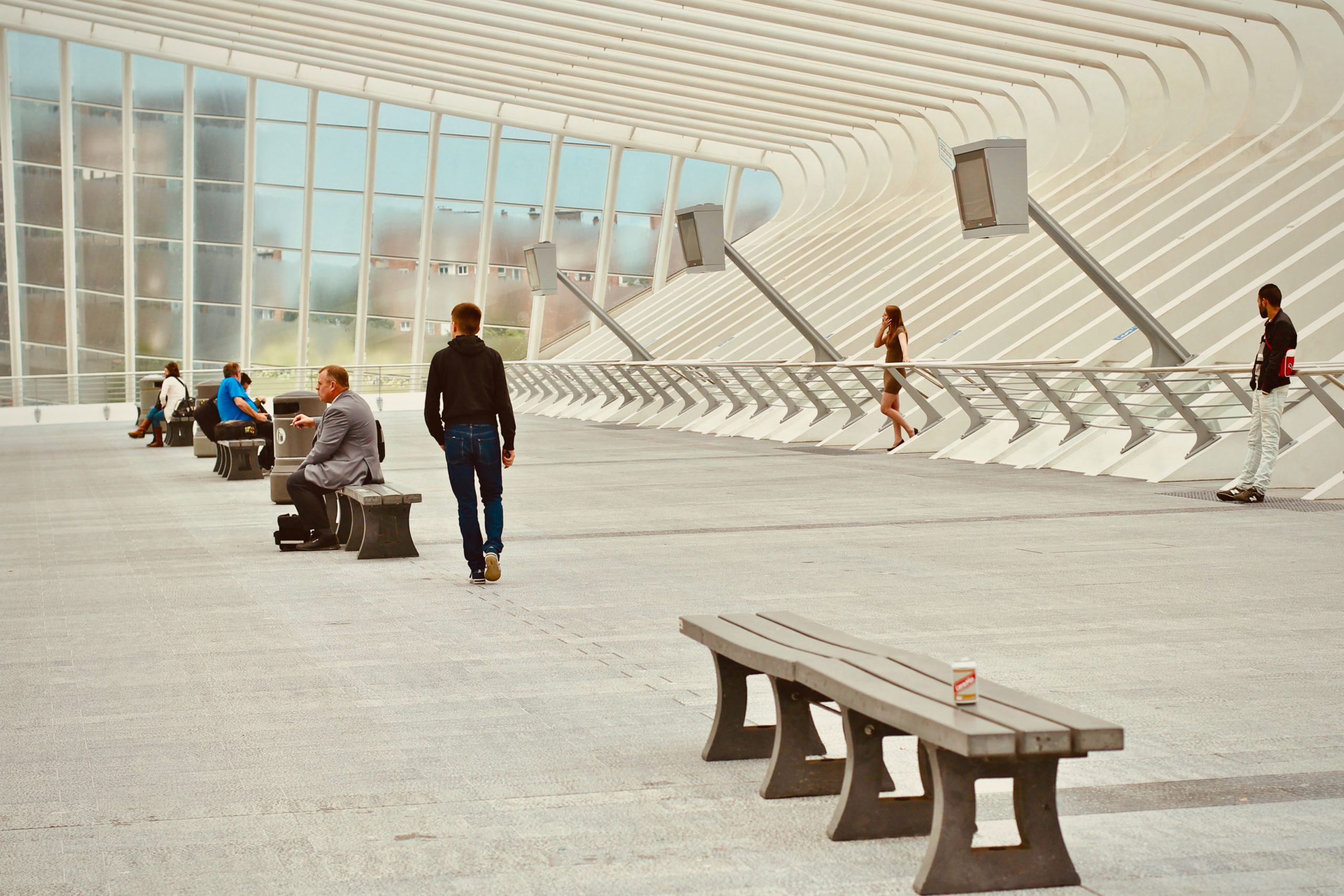
Public spaces play a larger role in everyday life than many people realize. Parks, sidewalks, cafés, libraries, shopping centers, and city squares are not simply physical locations. They quietly shape how people feel, interact, and behave throughout the day. The design, atmosphere, and functionality of these environments can influence mood, stress levels, confidence, and even social behavior.
As cities continue to grow and modern lifestyles become faster, the importance of thoughtfully designed public spaces is becoming more noticeable. People are beginning to understand that surroundings affect emotional wellbeing in subtle but powerful ways.
The Emotional Effect Of Open Spaces
One of the strongest influences public spaces have on people is emotional comfort. Open and welcoming environments often create feelings of calmness and relaxation. Areas with natural light, greenery, and comfortable seating encourage people to slow down and feel more at ease.
In contrast, crowded or poorly designed environments can increase stress and discomfort. Noise, limited walking areas, and visual clutter may create mental fatigue without people fully realizing why they feel overwhelmed.
Urban planning discussions featured in Australian business magazine increasingly explore how modern cities are integrating wellness focused design principles into public infrastructure to improve quality of life.
Public Design Influences Social Interaction
The structure of public spaces can also shape how people interact with one another. Comfortable gathering areas encourage conversation, community engagement, and social connection. Parks with walking paths, open seating, and recreational zones naturally invite people to spend more time outdoors.
When spaces feel welcoming, individuals are often more open to positive social experiences. This is one reason many modern urban developments prioritize walkability and community friendly environments.
Experts involved in business strategy Australia discussions frequently recognize that successful public spaces can also strengthen local economies by encouraging people to stay longer and engage more actively with surrounding businesses.
Mood And Productivity Are Closely Connected
Public spaces can quietly affect concentration, creativity, and productivity as well. Calm environments with balanced design elements often help people feel mentally refreshed. This is why many professionals enjoy working remotely from cafés, libraries, or outdoor spaces instead of remaining indoors all day.
Natural surroundings and thoughtful architecture can improve focus while reducing feelings of mental exhaustion. Even small details such as lighting, seating arrangement, and noise levels can influence emotional energy.
Writers and urban lifestyle contributors creating content for news blog guest post platforms often highlight how thoughtfully designed environments contribute to healthier and more balanced daily routines.
Modern Cities Are Becoming More Experience Focused
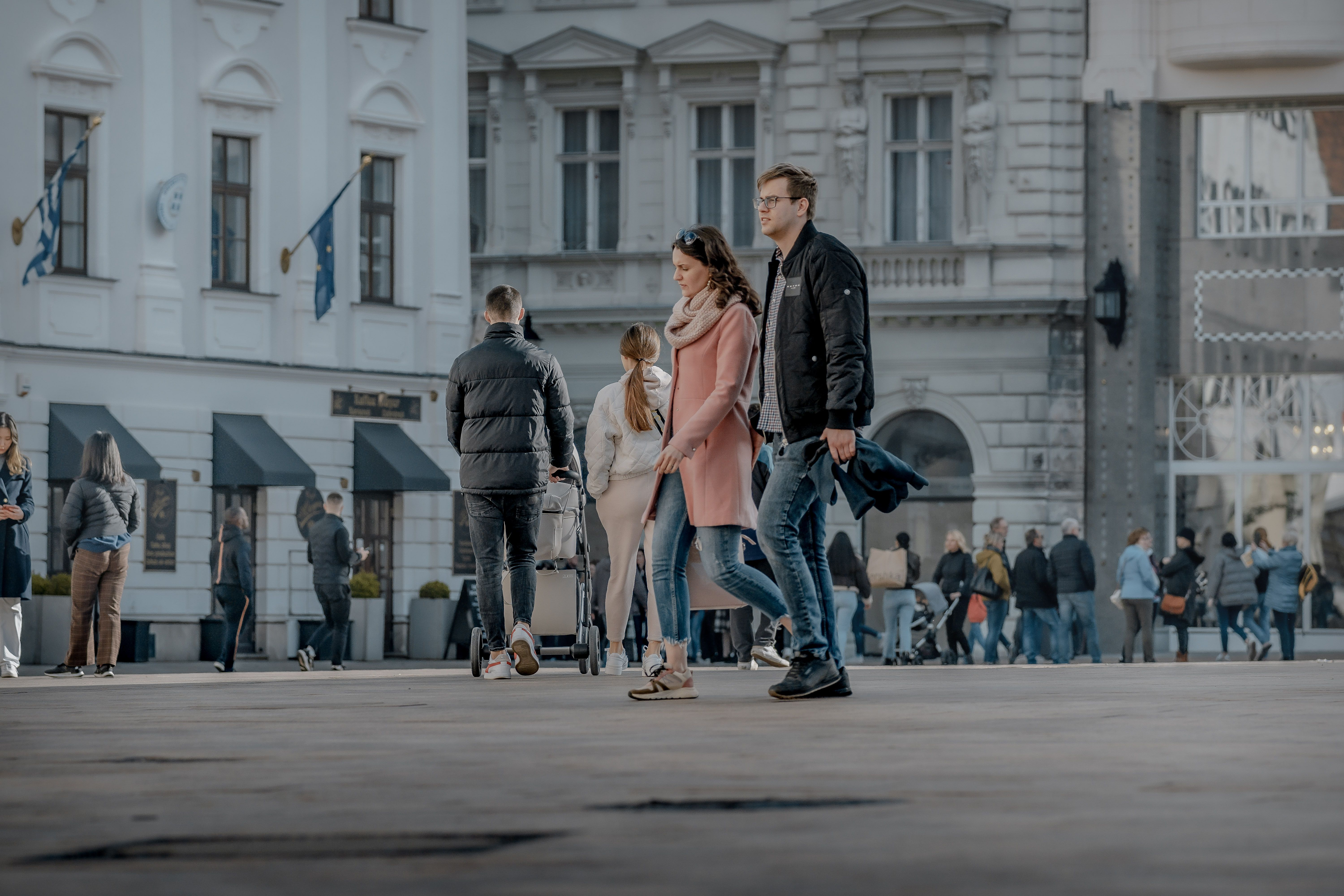
Cities today are increasingly designed around human experience rather than simple functionality. Modern urban planners now recognize that people want environments that feel enjoyable, inspiring, and emotionally supportive. Public art, green spaces, pedestrian zones, and community centered layouts are becoming more common in many urban areas.
This shift reflects a growing understanding that emotional wellbeing is connected to environmental quality. People are more likely to feel positive in places that encourage relaxation and movement rather than constant pressure and congestion.
Industry discussions connected with business strategy insights Australia frequently examine how experience driven urban planning can improve both public satisfaction and long term city development goals.
Public Spaces Shape Everyday Habits
The environments people move through every day also influence long term behavior. Walkable neighborhoods encourage physical activity, while accessible parks often motivate healthier routines and outdoor engagement. Public spaces that feel safe and welcoming can improve confidence and encourage stronger community participation.
On the other hand, neglected or uncomfortable environments may discourage interaction and reduce emotional connection to local communities. This demonstrates how urban design quietly shapes habits over time without many people consciously noticing it.
Contributors involved with Australia business write for us discussions often explore how modern infrastructure and public design impact both lifestyle trends and future city planning strategies.
Conclusion
Public spaces influence far more than movement and convenience. They affect emotions, behaviors, relationships, and daily experiences in subtle but meaningful ways. As modern society becomes increasingly aware of mental wellbeing and quality of life, the importance of thoughtfully designed environments will likely continue to grow. Calm, welcoming, and experience focused public spaces can create stronger communities while improving emotional balance for individuals. Although people may not always recognize these influences immediately, the environments surrounding everyday life quietly shape mood and behavior more than expected.


