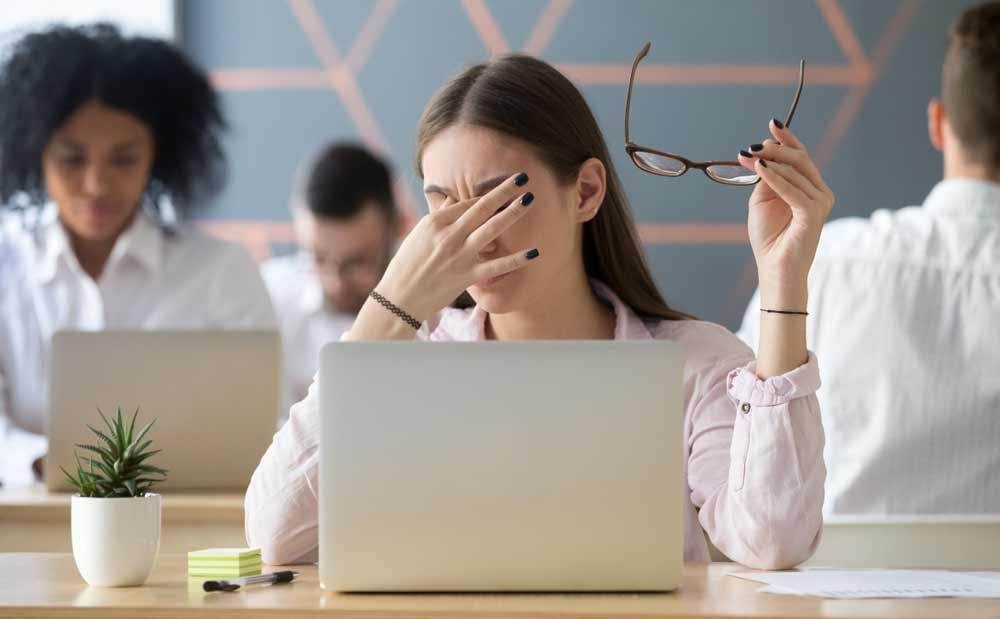
Modern technology has transformed the way people live, communicate, and entertain themselves. Smartphones, social media platforms, streaming services, and endless online notifications have created a world where people are constantly connected. While Digital access offers convenience and entertainment, it has also created a new challenge known as digital overload. Many individuals now feel mentally exhausted from continuous screen exposure, leading them to rethink how they spend their free time.
As digital habits continue to evolve, people are searching for healthier ways to balance online activity with real world experiences.
The Growing Need For Offline Activities
One of the clearest effects of digital overload is the growing interest in offline activities. After spending long hours working online or scrolling through social media, many people now prefer hobbies that allow them to disconnect from screens completely.
Reading physical books, gardening, painting, cooking, and outdoor walks are becoming more appealing because they provide mental relaxation without constant notifications. These activities help individuals slow down and focus on the present moment.
Many experts discussing digital media trends have noticed that audiences are becoming more selective about the content they consume. Instead of endless scrolling, people are prioritizing experiences that feel meaningful and calming.
Social Experiences Are Becoming More Valuable
Digital communication has made it easier to stay connected, but many people still feel socially disconnected despite constant online interaction. As a result, face to face experiences are becoming more important during free time.
Friends and families are increasingly choosing café visits, community events, and outdoor gatherings instead of spending entire evenings online. People want authentic conversations and shared experiences that feel more personal than digital communication.
This change is also helping support smaller communities and independent brands. Across Australia, many consumers are spending more time exploring markets, cafés, and creative spaces connected with local businesses Australia because these environments offer real social interaction and community engagement.
.jpg)
City Culture And Digital Balance
Urban lifestyles play a major role in shaping modern free time habits. Large cities are filled with digital advertising, busy schedules, and fast moving routines that often increase mental fatigue. Because of this, many city residents actively search for peaceful activities that help them recharge.
Creative communities connected with Melbourne culture have embraced experiences such as art exhibitions, live music events, wellness workshops, and local café gatherings. These activities provide a break from screen focused routines while encouraging creativity and human connection.
People are beginning to realize that free time does not always need to involve digital entertainment. Physical experiences often leave stronger emotional memories and provide a deeper sense of satisfaction.
Personal Stories Are Influencing Lifestyle Choices
Another important shift is the growing influence of real human experiences. Online audiences are paying more attention to relatable personal stories rather than highly polished digital lifestyles. This trend is changing how people choose to spend their time outside work.
Content focused on personal growth, mental wellbeing, and everyday experiences is becoming more popular because it feels authentic. Platforms sharing Sydney people stories often highlight ordinary individuals finding balance through travel, creativity, fitness, or community involvement instead of constant online engagement.
These relatable experiences encourage others to reconsider their own habits and create healthier routines that include more offline moments.
The Future Of Free Time In A Digital World
Digital technology will remain a major part of modern life, but people are becoming more aware of the importance of balance. Free time is no longer only about passive screen consumption. Many individuals now want activities that improve mental wellbeing, creativity, and social connection.
This shift is influencing entertainment, tourism, wellness industries, and even urban planning. Discussions around urban culture Australia increasingly focus on creating environments where people can enjoy community spaces, outdoor experiences, and cultural activities without relying entirely on digital interaction.
As digital overload continues to affect everyday life, people are learning that meaningful free time often comes from slowing down rather than staying constantly connected. The future may not involve abandoning technology completely, but it will likely involve using it more intentionally while making room for real world experiences that support emotional and mental wellbeing.


