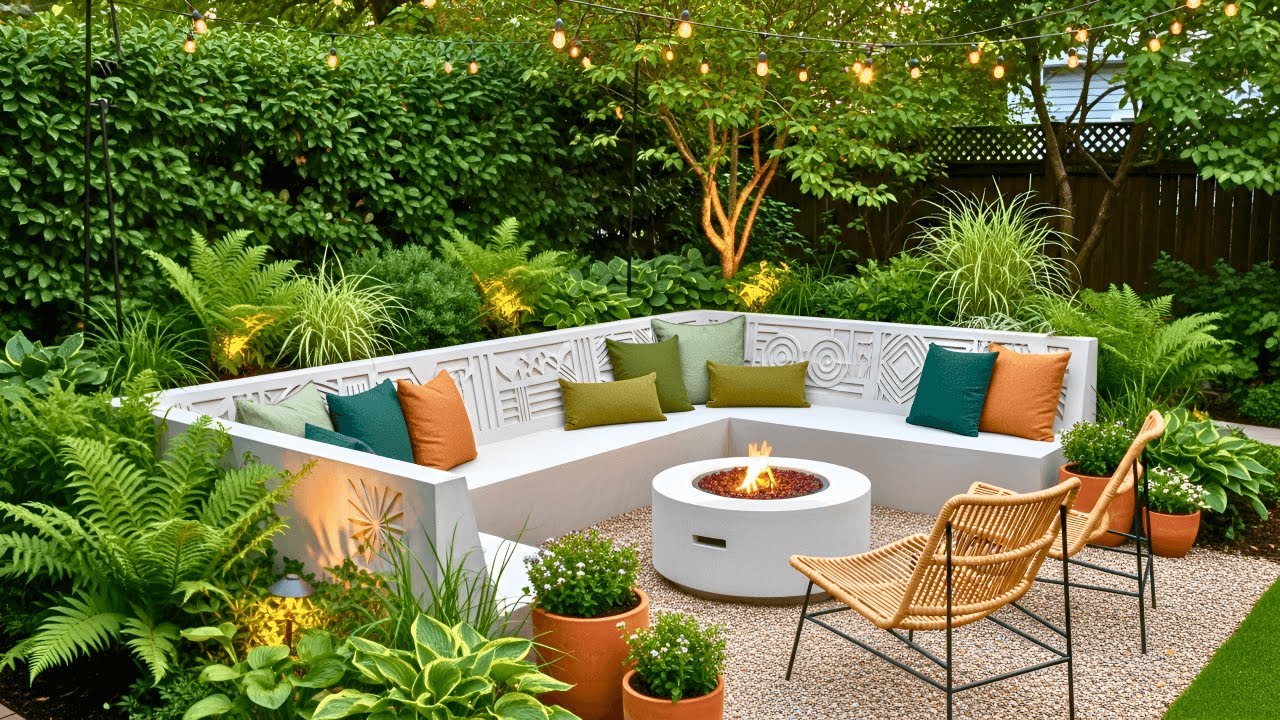
Outdoor seating can turn a garden from a space that is only viewed into a place where people spend time. A comfortable chair near flowers, a shaded bench beneath a tree, or a small dining area beside a patio can encourage reading, conversation, meals, and quiet breaks.
American gardens differ in size, climate, privacy, and household use. A seating arrangement for a large suburban backyard may not fit a small city garden. Homeowners should consider sunlight, wind, drainage, insects, maintenance, access, and seasonal weather before selecting furniture.
The best outdoor seating feels connected to the landscape while remaining comfortable and practical.
Decide How the Space Will Be Used
Seating should support a clear purpose.
A quiet reading corner may need one comfortable chair and a small side table.
Family meals require a larger table and enough room for people to move around.
A fire feature may need seating arranged for conversation and safe distance.
Garden viewing areas may use a bench facing flowers, water, or trees.
Homeowners should identify the main activity before buying furniture.
Practical outdoor space planning can help families connect seating choices with the way they actually use the yard.
Choose a Comfortable Location
A beautiful area may not be comfortable during the hottest part of the day.
Homeowners should observe sunlight, shade, wind, noise, and nearby activity.
Morning sun may suit a breakfast area.
Afternoon shade can make summer seating more usable.
A corner near traffic or outdoor equipment may be less relaxing.
The location should also feel connected to the house.
Very distant seating may be used less often if carrying food, drinks, or cushions becomes inconvenient.
Place a Bench Near Garden Views
A simple bench can create a destination within a larger yard.
It may face a flower bed, pond, vegetable garden, tree, or open lawn.
The ground beneath the bench should be stable and reasonably level.
Plants should not grow across the sitting area.
A bench placed beneath trees may need more frequent cleaning because of leaves, sap, flowers, or birds.
Homeowners should consider shade changes throughout the year.
Create a Small Conversation Area
Chairs arranged toward one another encourage conversation.
A small table can hold drinks, books, or snacks.
Furniture does not need to match perfectly, but similar materials or colors can create visual connection.
The arrangement should leave enough room for movement.
Chairs placed too far apart may feel disconnected.
Very close seating may become uncomfortable.
Creative garden seating inspiration can help homeowners compare circular, L-shaped, and informal layouts.
Add Shade for Summer Comfort
Shade can extend the amount of time people use outdoor seating.
Trees, covered patios, pergolas, umbrellas, and suitable shade structures may provide relief from strong sunlight.
Temporary umbrellas offer flexibility.
Permanent structures require more planning and may need approval or permits.
Shade placement should account for the movement of the sun.
An area shaded in the morning may become fully exposed during the afternoon.
Homeowners should also consider wind when using umbrellas or fabric covers.
Use Weather-Appropriate Materials
Outdoor furniture is exposed to sunlight, rain, temperature changes, dust, and moisture.
Wood, metal, plastic, wicker-style materials, and mixed designs require different care.
Homeowners should consider local climate before choosing.
Metal may become hot in direct sunlight.
Some wood requires regular sealing or treatment.
Lightweight furniture may be easy to move but less stable during wind.
Heavy furniture can remain secure but may be difficult to rearrange.
The best material balances comfort, maintenance, durability, and budget.
Include Cushions Carefully
Outdoor cushions can improve comfort and add color.
Fabric should be designed for outdoor use when possible.
Even weather-resistant cushions may last longer when protected from extended rain and direct sunlight.
A storage bench, deck box, covered shelf, or indoor storage area can keep cushions dry.
Homeowners should allow wet cushions to dry completely.
Trapped moisture can create odor or material damage.
Colors can connect the seating area with nearby flowers, doors, or garden features.
Build Seating Around a Patio
Patios provide stable surfaces for chairs and tables.
Furniture should fit without blocking doors, steps, grills, or walkways.
Homeowners can use outdoor rugs to define a seating zone when the surface and drainage conditions are suitable.
Large furniture should leave room for chairs to move.
A dining table may require more space than expected.
Planters can soften hard edges but should not reduce circulation.
Create a Gravel Seating Corner
Gravel can define an informal garden seating area.
The surface should be prepared to support drainage and reduce uneven movement.
Furniture needs stable footing.
Very loose gravel may make chair legs difficult to position.
Edging can help keep the material contained.
A gravel corner may work well around a small bench, café table, or fire-safe feature where permitted.
Weeds and fallen leaves still require maintenance.
Add Privacy With Plants
Shrubs, ornamental grasses, small trees, trellises, and container plants can make seating areas feel more comfortable.
Privacy should not eliminate useful airflow.
Tall plants may also create shade.
Homeowners should research mature size before planting around furniture.
Branches should not narrow walkways or brush against seated guests.
A layered planting design can soften fences and neighboring views.
Keeping outdoor design notes can help homeowners track plant growth and adjust the seating layout over time.
Include a Small Side Table
A side table can make even a single chair more useful.
It provides space for a drink, phone, book, or small light.
The table should remain stable on the outdoor surface.
Materials should suit local weather.
Folding tables offer flexibility in small spaces.
A permanent table may provide stronger stability.
Homeowners should avoid overcrowding a narrow seating area with unnecessary furniture.
Plan Safe Evening Lighting
Lighting can extend outdoor use after sunset.
Path lights may improve visibility between the house and seating area.
Soft lighting can create a relaxed atmosphere.
Fixtures should not create glare or shine into neighboring homes.
Steps and changes in ground level should remain visible.
Electrical systems require safe outdoor installation.
Solar fixtures may offer flexibility, but performance depends on sunlight exposure.
Candles and open flames require careful placement and supervision.
Consider Insect Comfort
Mosquitoes and other insects can affect outdoor relaxation.
Removing standing water may reduce some breeding areas.
Screens, fans, suitable landscaping, and local pest guidance may help.
Homeowners should avoid relying on unproven methods.
Plants alone may not provide complete insect control.
Food and drink areas should remain clean.
Outdoor trash should be managed.
A comfortable seating space benefits from regular inspection of nearby drainage and containers.
Keep Walkways Open
People should be able to reach seating without stepping through garden beds.
Paths should remain clear, stable, and visible.
Low branches and spreading plants may need trimming.
Furniture should not block gates, maintenance access, or emergency routes.
Older adults and guests may benefit from wider, more even paths.
Lighting can improve evening access.
The route from the house should remain practical during different weather conditions.
Design for Seasonal Change
Outdoor seating may be used differently during spring, summer, fall, and winter.
Movable chairs provide flexibility.
A sunny area may be comfortable during cool months but too warm in summer.
Shade plants may lose leaves during winter.
Cushions and lightweight furniture may need seasonal storage.
Homeowners in snowy regions should consider snow removal.
Warm-climate households may focus more on sun protection and ventilation.
Keep Maintenance Manageable
A seating area should encourage relaxation rather than create constant work.
Furniture that requires frequent care may not fit a busy household.
Simple arrangements are easier to clean and rearrange.
Nearby plants should match available maintenance time.
Storage should be convenient.
Balanced garden relaxation guidance can encourage homeowners to create comfortable spaces without filling every open area.
Outdoor seating works best when it supports the household’s habits and fits naturally into the garden. By choosing a comfortable location, adding suitable shade, selecting durable furniture, preserving clear access, and using plants for privacy, American homeowners can create outdoor areas that invite regular use. A garden becomes more meaningful when people have a comfortable place to pause, gather, and enjoy it.