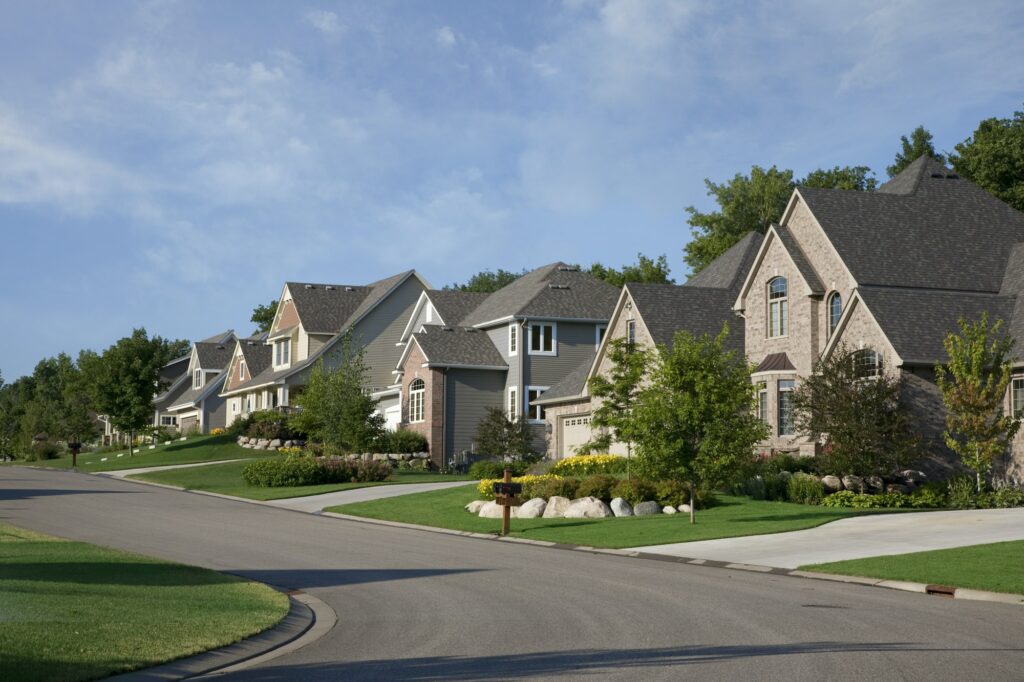
A safer neighborhood depends on communication, awareness, trust, and cooperation. Neighborhood watch groups can help residents share concerns, report suspicious activity, support vulnerable neighbors, and improve communication with local public safety agencies. However, a successful group should avoid confrontation, profiling, rumor spreading, and unnecessary surveillance.
The purpose of a neighborhood watch is not to replace law enforcement or encourage residents to act as private officers. It is to help communities notice problems, communicate responsibly, and support practical prevention. Reviewing useful community safety information can help residents establish clear goals before organizing meetings or patrol activities.
Strong neighborhood programs focus on relationships as much as security.
Start With a Simple Community Meeting
Invite residents to an open discussion.
Choose an accessible location.
Possible meeting places may include a library room, community center, neighborhood association space, school facility, or approved online platform.
Explain the purpose clearly.
Ask residents about concerns.
Avoid assuming every street faces the same problems.
Some communities may prioritize package theft.
Others may focus on poor lighting, speeding, vacant properties, vandalism, emergency preparedness, or communication with older residents.
Keep the first meeting practical.
Create notes.
Assign follow-up tasks.
Residents can Learn from positive neighborhood cooperation stories before deciding which activities fit their community.
Work With Local Public Safety Agencies
Contact the appropriate local agency.
Ask whether neighborhood watch support, training, presentations, or registration is available.
Learn how residents should report emergencies and non-emergency concerns.
Understand local rules.
Invite qualified representatives to explain crime prevention, emergency communication, and personal safety.
Do not rely only on social media advice.
Official guidance can help groups avoid unsafe behavior.
Keep contact information current.
Respect agency resources.
Use emergency numbers only for urgent situations.
Residents should know the difference between suspicious activity and personal assumptions.
Create a Communication System
Choose one or two dependable communication methods.
Options may include email groups, community apps, text alerts, phone trees, or private online groups.
Avoid forcing every resident to use the same technology.
Provide alternatives for older adults or people without smartphones.
Establish rules.
Share verified information.
Do not post private details unnecessarily.
Avoid naming people without evidence.
Remove rumors.
Keep messages focused on safety, emergencies, lost pets, road concerns, or community needs.
Useful community communication guidance may help groups balance quick updates with privacy and accuracy.
Encourage Residents to Know Their Neighbors
Simple familiarity can improve awareness.
Residents may recognize normal vehicles, household routines, delivery patterns, and people who need assistance.
Introduce yourself respectfully.
Exchange contact information only when comfortable.
Learn the names of nearby residents.
Support new families.
Check on older adults during extreme weather.
Collect mail for trusted neighbors during travel.
Avoid intrusive questions.
Community trust develops gradually.
A neighborhood where residents communicate may respond more effectively during emergencies.
Improve Street and Entrance Lighting
Poor lighting may make walking difficult and reduce visibility.
Identify dark sidewalks, intersections, alleys, parking areas, building entrances, and common pathways.
Report broken public lights through appropriate local channels.
Homeowners may install suitable exterior lighting.
Avoid excessive glare.
Consider motion-activated fixtures.
Keep lights directed toward the intended area.
Trim vegetation that blocks fixtures.
Respect neighboring properties.
Lighting should improve safe movement without creating unnecessary disturbance.
Support Safe Package Delivery
Package theft concerns may increase during holidays and busy shopping periods.
Encourage delivery notifications.
Residents may collect packages for trusted neighbors.
Use secure package boxes when appropriate.
Avoid leaving valuable deliveries outside for long periods.
Do not post photographs containing addresses or personal details.
Share confirmed information about repeated incidents.
Report theft through appropriate channels.
Security cameras may provide useful evidence, but residents should avoid public accusations based on unclear footage.
Organize Walking Groups Carefully
Some neighborhoods use voluntary walking groups to improve visibility and communication.
Participants should not confront people.
They should remain on public paths.
Follow local rules.
Carry phones.
Walk in pairs or groups when appropriate.
Wear visible clothing.
Observe and report.
Do not chase vehicles or individuals.
Avoid entering private property.
Use safe routes.
Walking groups should support community presence rather than create conflict.
Older residents and families may also use walks for social connection.
Avoid Profiling and Assumptions
Neighborhood safety efforts should focus on behavior and observable concerns.
A person’s race, age, clothing, housing status, language, vehicle type, or unfamiliar appearance does not automatically indicate danger.
Do not report people simply because they seem different from regular residents.
Describe actions accurately.
Avoid exaggerated language.
Encourage fair treatment.
Poor assumptions can harm innocent people and damage trust.
Groups should review clear conduct rules.
Safety efforts become weaker when residents feel targeted or unwelcome.
Create a Vacation Support Program
Trusted neighbors may help households during travel.
Collect mail.
Move trash containers.
Watch for unexpected damage.
Report water leaks or open doors.
Follow agreed instructions.
Do not enter homes without permission.
Keep travel information private.
Avoid posting vacation details in public groups.
Use temporary lighting schedules when appropriate.
Homeowners should maintain secure locks and alarms.
Broader property protection ideas may help residents create safer travel routines without advertising empty homes.
Include Renters and Apartment Residents
Neighborhood watch programs should not focus only on homeowners.
Renters experience community safety concerns as well.
Invite apartment residents.
Work with property managers when appropriate.
Discuss shared entrances, parking areas, delivery spaces, lighting, and emergency communication.
Avoid excluding people because they are new or temporary residents.
Provide information in accessible formats.
Large apartment communities may create building-level contacts.
Respect tenant privacy.
Support Older and Vulnerable Residents
Create voluntary check-in systems.
Ask permission before adding people.
Call during heat waves, winter storms, outages, floods, or local emergencies.
Offer help with groceries, communication, transportation, or basic preparation when appropriate.
Do not assume older adults are unable to manage independently.
Respect choices.
Keep medical information private.
Know when professional emergency assistance is needed.
Community support should protect dignity.
Improve House Number Visibility
Emergency responders may lose time when addresses are difficult to see.
Encourage residents to maintain visible house or building numbers.
Use appropriate size, contrast, and placement according to local rules.
Keep numbers free from vegetation.
Check visibility at night.
Apartment buildings should clearly identify units.
Avoid decorative styles that are difficult to read.
Report missing street signs.
Clear addressing supports emergency response, deliveries, visitors, and neighborhood communication.
Plan for Severe Weather
Neighborhood groups can support storm preparation.
Share official alerts.
Identify residents who may need transportation or communication assistance.
Discuss shelter locations.
Prepare for outages.
Encourage emergency kits.
Avoid spreading unverified forecasts.
Do not pressure residents to remain in unsafe areas.
Follow evacuation orders.
Create check-in procedures after storms.
Keep emergency routes clear.
Community plans should support, not replace, household preparation.
Organize Property Safety Events
Invite qualified professionals to discuss fire prevention, smoke alarms, home security, emergency supplies, or disaster planning.
Hold seasonal cleanup days.
Remove approved debris.
Trim shared vegetation with permission.
Report abandoned hazards.
Avoid entering private property.
Create simple information sheets.
Offer events at different times.
Make participation voluntary.
Focus on affordable safety improvements.
Do not turn community events into aggressive sales opportunities.
Maintain Privacy
Neighborhood groups may collect phone numbers, emails, addresses, camera information, or emergency contacts.
Protect this information.
Limit access.
Do not publish member lists.
Use secure communication.
Remove former residents.
Ask permission before sharing photographs.
Avoid posting private security details.
Review group settings.
Privacy supports trust.
Residents should understand how information is used.
Review the Program Regularly
Hold occasional meetings.
Discuss useful activities.
Remove outdated contacts.
Update communication rules.
Invite new residents.
Review emergency procedures.
Ask for feedback.
Address conflicts calmly.
Stop practices that create unnecessary concern.
Celebrate helpful community efforts without exposing personal information.
A neighborhood watch succeeds when residents communicate responsibly, support one another, and report concerns through proper channels. Safer streets are built through awareness, fairness, good lighting, emergency planning, and respectful relationships. Communities that focus on cooperation rather than confrontation are more likely to create lasting trust and practical protection.

