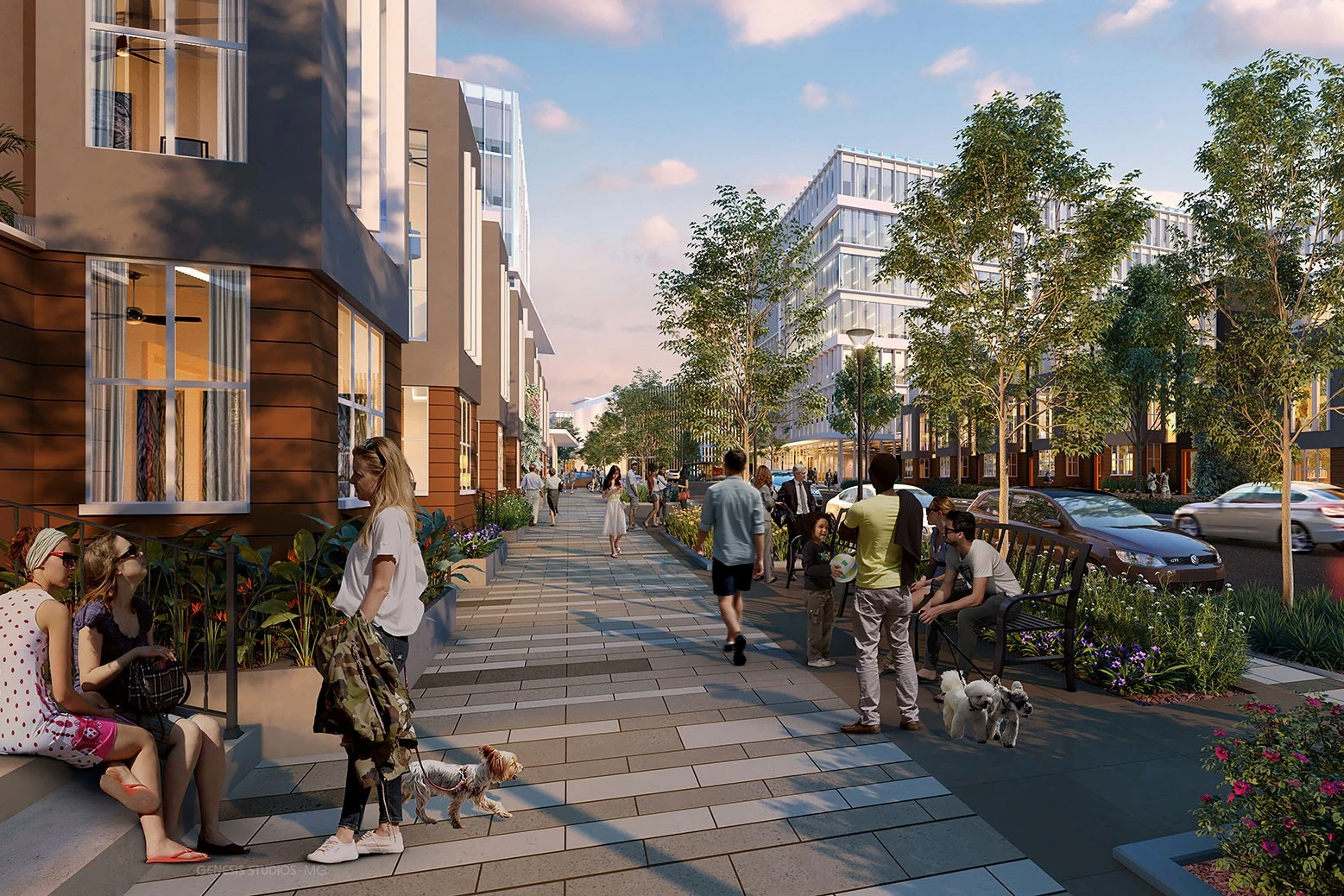
A walkable community is not created by adding one sidewalk beside a busy road. People need connected routes, safe crossings, useful destinations, shade, lighting, accessible design, and streets that feel comfortable at different times of day. These walkable city ideas can help American communities plan neighborhoods where walking becomes a realistic choice rather than an occasional activity.
Walking supports transportation, local business activity, social connection, and access to parks, schools, services, and public transit. However, every neighborhood has different needs. Readers interested in practical ideas for stronger local communities can begin by studying where residents already walk and where missing connections create difficulty.
Walkable City Ideas Built Around Connected Routes
A sidewalk provides limited value when it ends suddenly or fails to reach useful destinations.
Close Gaps in Sidewalk Networks
Missing sections may force people into streets, parking lots, uneven ground, or long detours.
Communities should identify routes connecting homes with schools, stores, parks, workplaces, medical services, and transit stops.
Small gaps deserve attention because one unsafe block can discourage an entire trip.
Maintenance is equally important. Cracked pavement, snow, standing water, overgrown plants, and construction barriers can make an existing route difficult to use.
Connect Neighborhoods With Destinations
People are more likely to walk when useful places are reasonably close and routes are direct.
Long walls, large parking areas, highways, and disconnected street patterns can turn a short physical distance into a much longer trip.
Planning should consider entrances and access points rather than measuring distance only from property boundaries.
Residents following daily community planning and urban living guidance may notice that convenience often depends on small connections between streets, buildings, and public spaces.
Design Safer Street Crossings
Crossing quality can determine whether families, older adults, and people with disabilities feel comfortable walking.
Improve Visibility
Drivers and pedestrians need clear views near intersections and crossings.
Parked vehicles, signs, landscaping, utility equipment, and street furniture should not block important sight lines.
Lighting can support visibility during early mornings, evenings, and poor weather.
Crossings should be placed where people naturally travel rather than expecting everyone to make long detours.
Allow Enough Crossing Time
Some people walk more slowly because of age, disability, injury, children, luggage, or mobility equipment.
Signal timing should reflect the people using the street.
Long crossings may need protected waiting areas where street design allows them.
Thoughtful discussions about accessible streets and community movement often emphasize that a route is only as usable as its most difficult crossing.
Make Walking More Comfortable
Safety matters, but comfort also affects whether people choose to walk regularly.
Add Shade and Weather Protection
Trees, suitable landscaping, covered areas, and building design may reduce heat exposure.
Local climate should guide decisions. Hot regions may prioritize shade and drinking water, while colder areas may focus on snow removal, wind protection, and winter maintenance.
Planting should avoid blocking views or damaging sidewalks as roots grow.
Provide Places to Rest
Benches and small seating areas can help older adults, families, people carrying items, and anyone traveling longer distances.
Seating should be placed where it remains visible, accessible, and connected to the walking route.
Public spaces need maintenance plans. Broken seating, poor lighting, or accumulated trash can reduce use.
Support Walking Near Schools and Transit
Daily destinations create opportunities for regular walking when routes are connected and safe.
Improve School Routes
Families may be more comfortable walking when streets include clear crossings, slower vehicle movement, suitable sidewalks, and organized arrival areas.
School traffic should be studied during actual arrival and dismissal periods.
Drop-off activity can block crossings and reduce visibility when not managed carefully.
Children also benefit from repeated instruction about traffic awareness and safe routes.
Connect Homes With Public Transportation
Walking is often the first and last part of a bus or train trip.
Transit stops should connect to sidewalks and safe crossings. Riders may also need lighting, seating, shelter, schedules, and accessible boarding areas.
A stop beside a busy road provides limited value when people cannot reach it comfortably.
Communities can explore useful local improvement and neighborhood design ideas while evaluating the complete experience around transit.
Encourage Local Business and Public Life
Walkable areas can support local shops, restaurants, services, parks, and community events.
Create Active Street Fronts
Buildings with visible entrances, windows, and nearby destinations may create more interest for people walking.
Large blank walls and empty spaces can make routes feel longer and less welcoming.
Ground-level activity should remain balanced with accessibility, deliveries, emergency access, and neighborhood needs.
Use Public Space for Community Connection
Small plazas, seating areas, markets, art, trees, and gathering spaces can encourage people to spend time outdoors.
The goal should not be filling every space with decoration. Useful design often begins with comfort, shade, maintenance, and clear movement.
Public areas work best when different age groups and abilities can use them without needing to make a purchase.
Plan With Local Residents
People using the streets every day often understand problems that may not appear on a map.
Conduct Walking Reviews
Residents, planners, business owners, students, older adults, and accessibility advocates can walk routes together and document concerns.
Observe conditions during different times, weather, and traffic periods.
Photographs, measurements, and specific locations provide useful information for future improvements.
Test Changes Before Permanent Construction
Temporary curb extensions, seating, markings, barriers, or reduced vehicle space may help communities evaluate new designs.
Pilot projects should include clear goals and reliable data.
Feedback should come from people traveling by different methods. A change affecting parking may also influence walking, deliveries, transit, and emergency access.
Conclusion
Walkability depends on connection, safety, comfort, accessibility, useful destinations, and long-term maintenance. One attractive project cannot replace a complete network.
The strongest walkable city ideas begin with the trips residents already need to make. Connect homes to schools, shops, parks, services, and transit through routes people can use with confidence. When local planning treats walking as everyday transportation rather than decoration, streets can become more useful for the entire community.
Frequently Asked Questions
What makes a city or neighborhood walkable?
Connected sidewalks, safe crossings, nearby destinations, accessible design, lighting, maintenance, shade, and comfortable public spaces all contribute.
Why are sidewalk gaps a serious problem?
One missing section can force pedestrians into traffic, create barriers for mobility devices, or make an entire route feel unsafe.
How can cities improve walking near schools?
Study actual travel patterns, improve crossings, manage vehicle speeds, organize drop-off activity, and connect neighborhoods with continuous routes.
Do benches improve walkability?
Seating can help people rest during longer trips and may support older adults, families, and people with mobility limitations.
Why is shade important for pedestrians?
Shade can reduce heat exposure and make walking more comfortable, especially in regions with long, hot seasons.
How does public transit support walkable communities?
Most transit trips include walking. Safe routes, accessible stops, lighting, crossings, and clear connections improve the complete journey.
Can walkable areas help local businesses?
Convenient pedestrian access may increase visibility and visits, although results depend on location, business type, design, and local demand.
How can residents support better walking conditions?
Document specific barriers, participate in local planning, join walking reviews, and provide feedback based on actual routes and experiences.


